More Than Just Camp: How Pediatric Burn Camps Foster Healing, Belonging, and Growth
 Written by Daniel Chacon on May 01, 2026
Header photo provided by: Camp Oo-U-La Georgia Firefighters Burn Foundation
When a child is burned, healing doesn't stop when the bandages come off. Emotional recovery matters just as much, and it often lasts long after medical care is over. This is where pediatric burn camps make a real difference. These camps let kids be themselves again, surrounded by people who understand what they’ve been through. They can enjoy favorite activities in new ways or try something different with adaptive recreation.
For more than 15 years, I have worked with young burn survivors and their families. I‘ve seen how burn camp becomes a turning point, sometimes the very first place a child feels real joy after their injury. One parent said, “He was nervous to go... now he’s counting the days until next summer.” Another shared, “She came home smiling in a way we hadn’t seen in months.”
What Makes Burn Camp Special?
At first glance, burn camps look like regular summer camps with swimming, arts and crafts, archery, campfires, and lots of fun games. But what makes burn camp truly unique is the purpose behind it—it’s not just about fun, but also about healing, connection, and rediscovering what’s possible after injury.
The staff includes doctors, nurses, therapists, firefighters, and volunteers. Many of them are survivors themselves. These camps help every child feel safe, accepted, and free to be a kid again.
I remember one camper saying at lunch, “I thought this was just a camp. But it’s the first time I’ve been around other people who get it.”
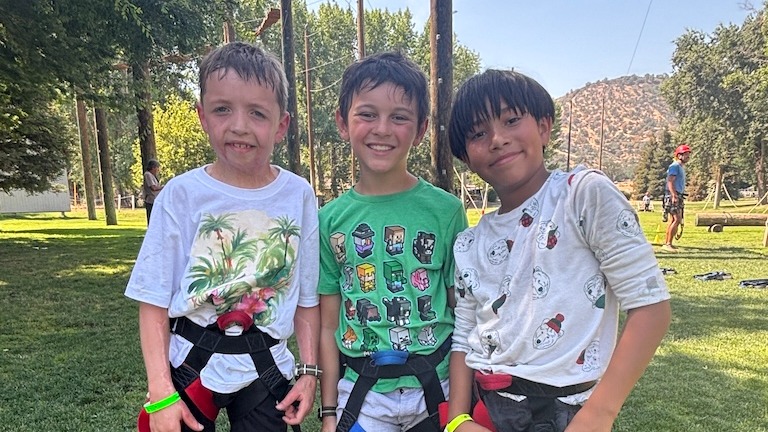
Healing That Goes Deeper
Many campers arrive feeling unsure. I have seen kids who were quiet on the first day end up leading the talent show by the end of the week. One camper shared, “No one stared at me here. It’s like my scars didn’t matter.”
Photo provided by: Alisa Ann Ruch Burn Foundation AARBF. www.aarbf.org
A mom once told me, “He wore short sleeves for the first time in a year. That started at camp.”
Camp can:
Help kids feel more confident and proud of who they are
Teach them how to cope with tough emotions or bullying
Create friendships that last long after summer ends
The Little Moments Matter Most
One of my favorite stories is about a camper with a prosthetic leg. One night, while the cabin was getting ready for bed and the counselor was turning off the lights, the camper called out, “Hey! Can you grab my prosthetic leg? It’s by my luggage.” The counselor, a little caught off guard, asked, “Wait, you need it to sleep?”
Without missing a beat, the camper smiled and replied, “Well, don’t you sleep with both your legs?”
Everyone in the cabin started laughing. What could have been an awkward moment turned into one of connection, lightness, and shared understanding.
That’s what burn camp does. It helps kids feel normal in their own skin, without needing to hide or explain.
To Parents and Caregivers
Whether your child is five or fifteen, and whether their scars are big, small, or not visible at all, burn camp is for them. Even kids who seem "fine" on the outside may have quiet worries or questions inside. Camp gives them a place to relax, play, and connect.
I know it’s not easy to send your child off to camp, especially after all they’ve been through. Parents often ask: Will my child be safe? Will they be accepted? Will they miss home?
Those questions are real. Even so, I have seen the difference a week at camp can make. Kids come home more confident, more open, and more at peace.
Burn camps are built with expertise and care. They are a gift of healing, not just for your child, but often for the whole family.
Start Something Beautiful
Burn camp is more than just a week away from home. It is a place where courage grows, friendships form, and healing starts in a new way.
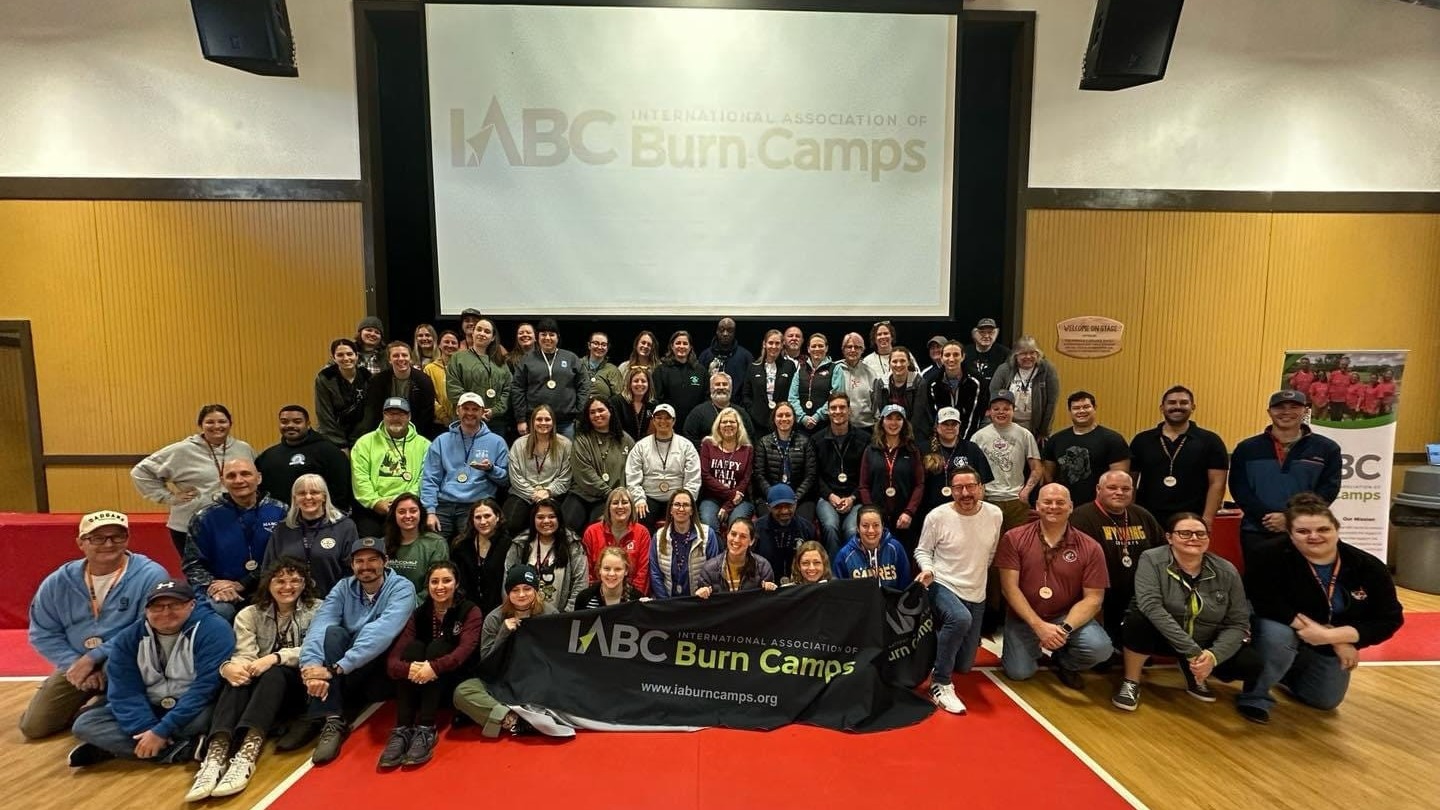
Photo provided by the International Association of Burn Camps
If your child has been burned, even if they seem okay, camp may be the place where they remember how to laugh, play, and just be a kid.
If you are a parent or caregiver who still has questions, concerns, or just wants to talk to someone who understands, you are not alone. Many camps and burn foundations are happy to connect with families directly. Whether you want to know what a typical day is like, how medical needs are managed, or how kids adjust emotionally, there are people ready to help you through it.
What to Look for in a Burn Camp
Families considering burn camp often wonder how to know if a program is well-equipped to support their child. While each camp is unique, reputable burn camp programs typically include the following features:
Good camps have medical and emotional support experts. They include nurses or doctors, as well as mental health specialists who understand how burn injuries can impact children emotionally.
Staff and volunteers should be trained to support children who have been through trauma. Many counselors are firefighters, burn care professionals, or other trained staff who know how to help kids who have had medical treatment and difficult experiences.
A safe environment with good supervision is essential. Camps should have clear safety rules, enough staff for each camper, and medical plans in place to ensure children’s physical needs are met throughout the week.
Programs should be made for burn survivors. While activities might seem like those at any camp, they are carefully adjusted to help kids feel more confident, accept their bodies, and connect with others who have been through similar things.
Many reputable camps collaborate with burn centers, burn foundations, or organizations such as the International Association of Burn Camps, which promotes best practices in programming and safety.
Daniel Chacon is dedicated to creating safe, joyful spaces for young burn survivors to heal, grow, and belong. With over 15 years of experience in burn aftercare, camp leadership, and trauma-informed programming, he’s seen how one week at camp can change a life.
He has held multiple leadership roles with the Alisa Ann Ruch Burn Foundation, where he was deeply involved with Champ Camp—one of the oldest and largest burn camps in the world, based in California. Daniel also served on the Board of Directors for the International Association of Burn Camps (IABC) for eight years, including four years as Board President.
In addition to leading programs, Daniel has contributed to research on the psychosocial impact of camp and the role of recreational healing for pediatric burn survivors. He first attended Champ Camp in 2010 and was given the camp name “Apollo”—a name he still proudly answers to. His favorite camp activities include archery, arts and crafts, and singing loudly (and off-key) at campfire.



Join Our Virtual Support Group
For survivors and caregivers seeking support, consider joining Phoenix Society’s Virtual Support Group. This welcoming community offers a safe space to share experiences, find encouragement, and connect with others who understand your journey.
Disclaimer: The stories featured on this website are personal accounts shared by individuals from the burn community. Each burn injury, recovery journey, and healing process is unique. These stories are meant to offer connection, insight, and hope but are not intended as medical advice. What worked for one person may not be appropriate for others. The perspectives shared in these stories do not necessarily represent the views of Phoenix Society for Burn Survivors. If you have medical questions or concerns, please consult a qualified healthcare professional.